

In today’s noisy world, where footsteps echo like thunder in apartments, kids’ playtime sounds like a rock concert downstairs, and home offices need a hush for focus, soundproofing your floors has never been more essential.
Enter soundproof carpet underlay—the unsung hero beneath your plush carpet that doesn’t just cushion your steps but actively battles noise transmission.
Whether you’re a renter dodging neighbor complaints or a homeowner craving serenity, this guide dives into what it is, why it matters, top picks, and pro tips to get you started.
What Is Soundproof Carpet Underlay?
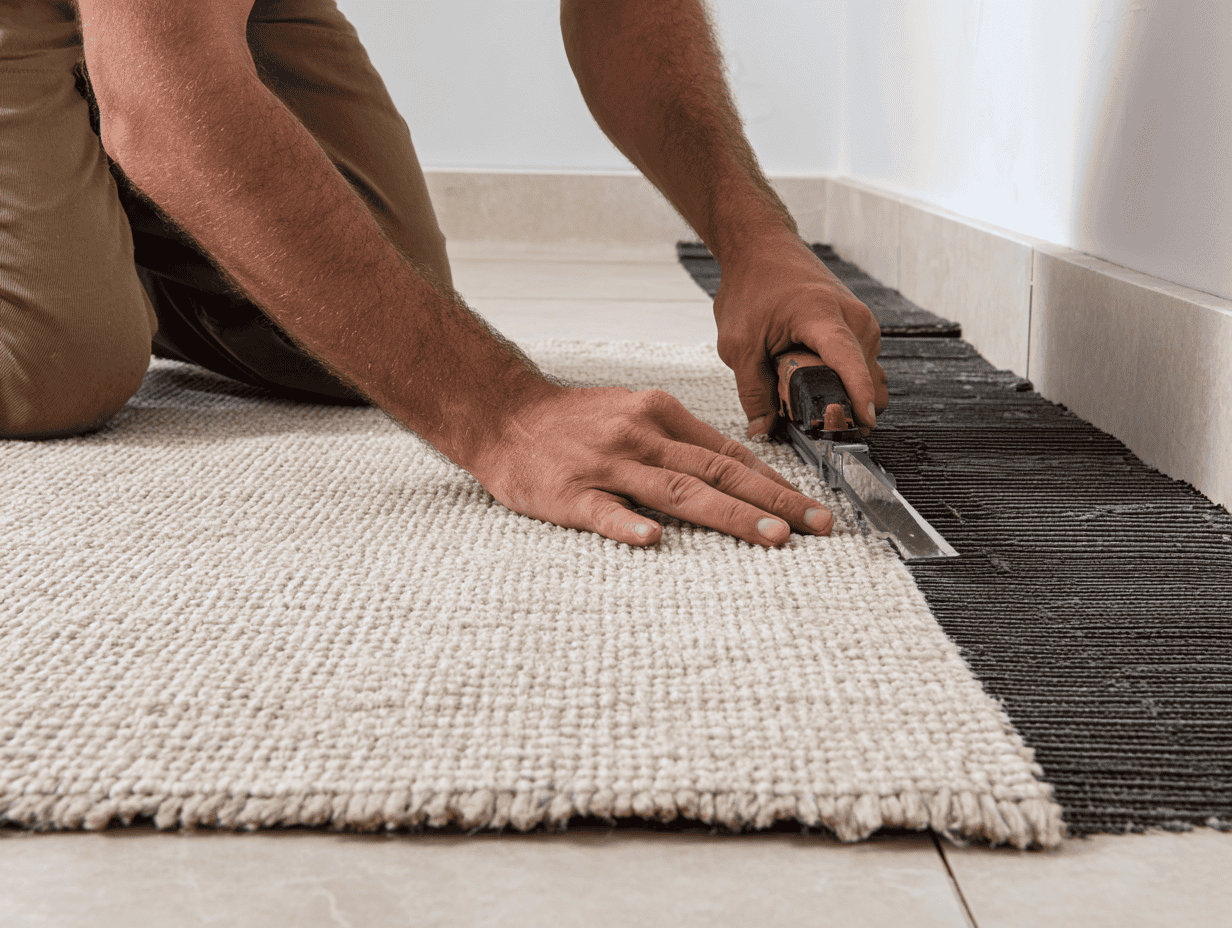
At its core, soundproof carpet underlay is a specialized padding layer installed between your subfloor and carpet. Unlike standard foam pads that prioritize comfort alone, these underlays incorporate advanced materials to absorb and block both impact noise (like thumping footsteps or dropped toys) and airborne noise (voices, music, or TV chatter). Common materials include:
- Acoustic foam bonded with mass-loaded vinyl (MLV) for decoupling vibrations and adding mass to block sound waves.
- Engineered composites like dense rubber or recycled materials for superior density and resilience.
- Thinner options (1/8″ or less) for low-profile installs, often self-adhesive for ease.
These underlays boost key metrics: Impact Isolation Class (IIC) for footfall reduction (up to 78) and Sound Transmission Class (STC) for airborne blocking (22–35 range). They’re versatile for new installs, renovations, or even boats and cars, and many are water-resistant and fire-rated for safety.
Why Soundproof Carpet Underlay?
Standard carpet padding might soften your step, but it lets noise sneak through—especially in multi-story homes. Soundproof underlay changes that by:

- Drastically Cutting Noise: Expect 20–50% less transmission, turning chaotic kids’ rooms into whisper-quiet zones and improving privacy in shared walls.
- Enhancing Comfort and Durability: Firmer yet resilient underfoot, it prevents carpet sagging and handles heavy traffic without compressing over time.
- Versatility Across Spaces: Ideal for apartments (meeting building codes), home theaters, offices, or even maritime use to muffle engine hum. Plus, eco-friendly options like recycled foams reduce VOCs, making them kid- and pet-safe.
- Cost-Effective ROI: A one-time install (often $2–5 per sq ft) can boost property value and slash neighbor disputes—no more midnight apologies!
Top Soundproof Carpet Underlay Picks
While the premium products highlighted in expert sources may be best sourced directly from manufacturers for authenticity, here are comparable top-rated soundproof carpet underlay options readily available on Amazon.
I’ve selected these based on user reviews, specs, and availability, prioritizing those with strong noise reduction for carpet installs. Prices are estimates as of October 2025 and may vary.
| Product | Noise Ratings | Amazon Link |
| Audimute Peacemaker Soundproofing Underlayment | STC: 50; IIC: 57 | Buy on Amazon |
| QuietBoard Recycled Rubber Underlayment | Not specified (high ambient/impact reduction) | Buy on Amazon |
| Acoustimac DBlock Mass Loaded Vinyl | STC: 27+ (typical for MLV) | Buy on Amazon |
| Wood Fiber Natural Underlayment | Delta IIC: 20+ (natural absorption) | Buy on Amazon |
Pro Tip: For budget options, start with the Wood Fiber for natural damping; upgrade to Peacemaker for certified high-performance ratings.
Always check current stock and reviews on Amazon for the latest user feedback on real-world noise reduction. If you need the exact branded picks (like TM or Iso-Step), they’re often available via specialty sites for custom thicknesses.
Installation: DIY-Friendly Steps to Silence

No contractor needed—these underlays install just like standard padding. Here’s a streamlined guide:
- Prep the Floor: Clear debris, install tack strips, and make sure the subfloor is flat.
- Roll It Out: Unfurl the underlay with the foam or vinyl side down; cut to fit, butt edges tightly, and tape the seams with vinyl tape. For self-adhesive versions, simply peel and stick.
- Secure and Layer: Overlap the tack strips slightly; no staples are needed unless shifting occurs. Lay your carpet directly on top—no extra padding required.
- Adhesive Boost (Optional): Use a quick-cure glue for stronger adhesion and improved performance.
Time estimate: Around 1–2 hours per room. It’s best to buy locally to avoid high shipping costs, since the rolls can be heavy.
Real Talk: User Experiences and Expert Tips
Homeowners often find that combining a thin underlay with a dense carpet pad offers extra soundproofing against everyday noise—though ultra-thin layers may not completely eliminate deep, low rumbles.
One professional tip: product labels that specify “for tile” or “for wood” can still work well under carpet, as long as the barrier is effective. Experts also recommend opting for modern composite materials over older cork designs for better performance in blocking airborne noise.

Wrap-Up: Step Into Silence Today
Soundproof carpet underlay isn’t just padding—it’s your secret weapon for a quieter, more comfortable home without messy renovations. Start with a reliable, dense underlay suited to your budget and needs, and you’ll be amazed at the difference it makes. Ready to hush the hustle? Measure your space, grab a roll, and install it this weekend.

Meet Mike O’Connor, (a DIY enthusiast), living in Cincinnati, a city ranked as the noisiest in the USA.
As a work from home dad, I have a first hand experience of how noise can truly affect your well being.
Soundproofing isn’t something that should be taken as a hobby, it should be a skill that every homeowner should be equipped with.
Most of the work documented on this blog comes from purely first hand experience, and the products recommended work as indicated.