


Landscaping a mobile home doesn’t mean squeezing traditional design into a small yard. It means getting clever with space, using texture and contrast, and creating little moments of magic that make your home feel complete. Whether you’ve got a tiny yard or a more generous plot, these ideas will help you turn plain into personality-packed. Let’s break it down.
1. Preparing Your Canvas
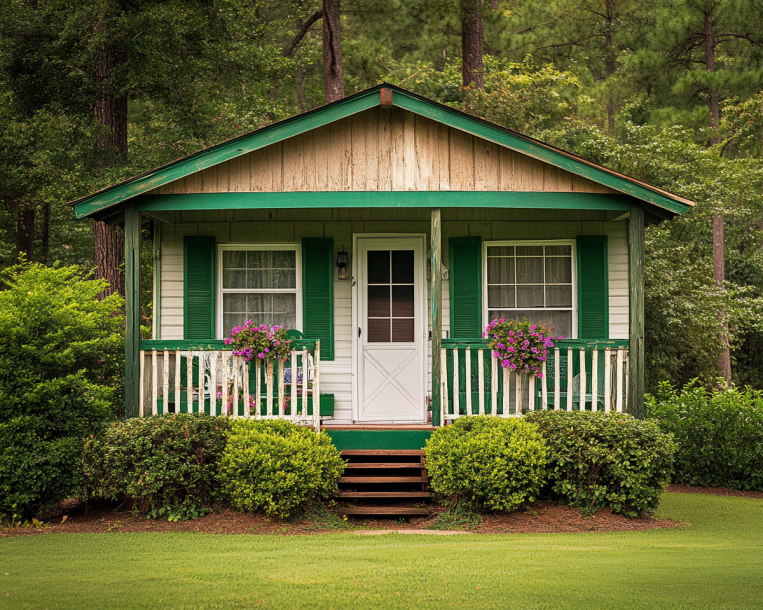
Before you can plant a single flower or lay down one paver, you’ve got to start with a clean slate. Think of this like prepping a canvas before painting a masterpiece.
Remove weeds, rake out old leaves, and clear out debris. If you have random stuff lingering around (like old buckets, broken planters, or that rusty tricycle from 2005), now’s the time to toss or repurpose them. Give your mobile home’s skirting a good scrub or a new coat of paint if it’s faded. This simple clean-up step does wonders.
Bonus Tip:
Take “before” photos! Not only do they help you plan better (you’ll spot eyesores you didn’t notice in real life), but they make for super satisfying before-and-after comparisons later on.
2. Designing Your Landscape

This is where the creativity kicks in. Rather than randomly placing plants and décor, map out a layout. Think about natural movement through the space. Do you want winding garden paths? A clear view from the porch to your focal point? Maybe a privacy corner with tall shrubs?
Use curved lines instead of rigid ones — it softens the look and adds flow. Also, think layers: tall plants or features in the back, medium in the middle, and low-growing ones near the front. This builds visual depth even in a small yard.
Bonus Tip:
Use garden hoses or rope to outline future flower beds or paths before digging. You’ll be amazed how helpful it is to see the shape on the ground first.
3. Selecting the Right Plants

Not all plants play well with others — or with your climate. Choose native or regionally adapted plants that thrive with minimal attention. Think evergreens, hardy perennials, ornamental grasses, and colorful annuals to keep things fresh through the seasons.
Aim for a mix of textures and colors. For example, pair soft lamb’s ear with spiky lavender, or bright coneflowers with feathery grasses. Your landscape should feel alive, not like a static display at a garden center.
Bonus Tip:
Look for pollinator-friendly plants like bee balm, milkweed, and black-eyed Susans. You’ll support local ecosystems and get more butterflies and bees flitting around your flowers.
4. Creating a Focal Point

Every great outdoor space has a focal point. It’s the thing your eyes naturally go to — and it anchors the whole landscape. You can go big with a water feature, bold with a garden sculpture, or simple with a brightly colored bench or tree.
Place your focal point where it draws the eye as you enter the yard or look out from the porch. Then, build the surrounding design to complement it, not compete with it.
Bonus Tip:
Add lighting to your focal point to make it stand out at night — a small solar spotlight or a string of fairy lights can take it from nice to whoa.
5. Smart Mulching Techniques

Mulch isn’t just about looks. It locks in moisture, keeps weeds down, regulates soil temperature, and makes your beds look tidy and polished. Use natural mulch like shredded bark, pine straw, or composted leaves.
Avoid piling mulch directly against plant stems or tree trunks — that causes rot. Keep it 2–3 inches thick for optimal results.
Bonus Tip:
Try mixing mulch types! Use bark mulch in flower beds and gravel or crushed stone for walkways and around structures — it adds contrast and saves money.
6. Lighting Up Your Landscape

A beautifully landscaped yard deserves to be seen after sunset. Outdoor lighting extends your usable hours, adds ambiance, and boosts safety. Use solar lights along paths, lanterns on tables, and string lights over your deck or pergola.
Want drama? Use uplighting to highlight trees or downlighting to create a soft glow over seating areas. You don’t need to wire anything — solar options make it easy.
Bonus Tip:
Use amber-colored bulbs to keep it cozy and avoid attracting a swarm of bugs every evening.
7. Enhancing Front Porches and Decks
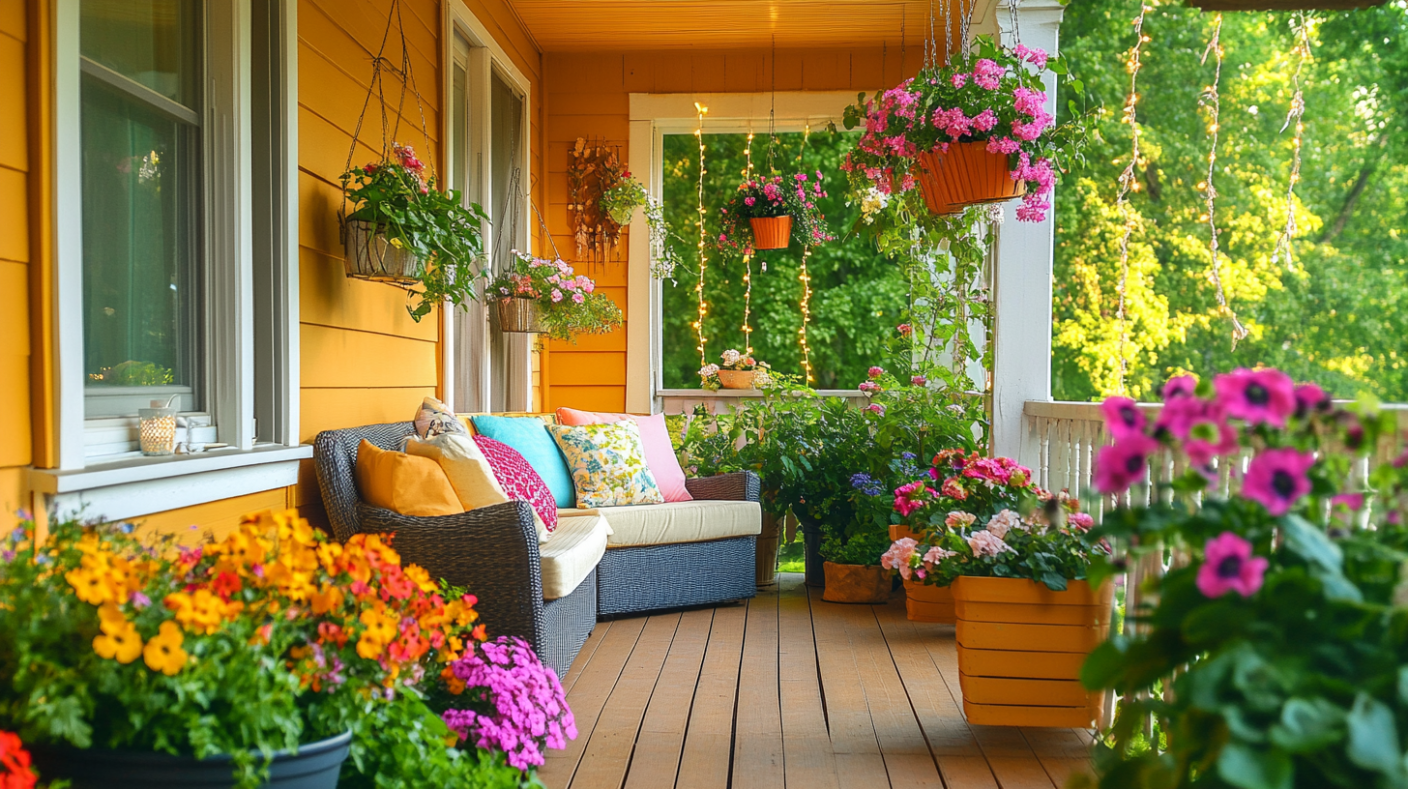
Your porch is your welcome mat to the world. Dress it up! Add potted plants in various heights, an outdoor rug, and comfy seating. If space is tight, hang planters from the ceiling or install wall-mounted shelves for plants and décor.
You can also paint your front door a cheerful color or add house numbers in a stylish font to instantly elevate your mobile home’s vibe.
Bonus Tip:
Throw a curtain rod up on the porch and hang outdoor curtains. They’ll add softness, shade, and a cozy cabana feel.
8. Fire Pit
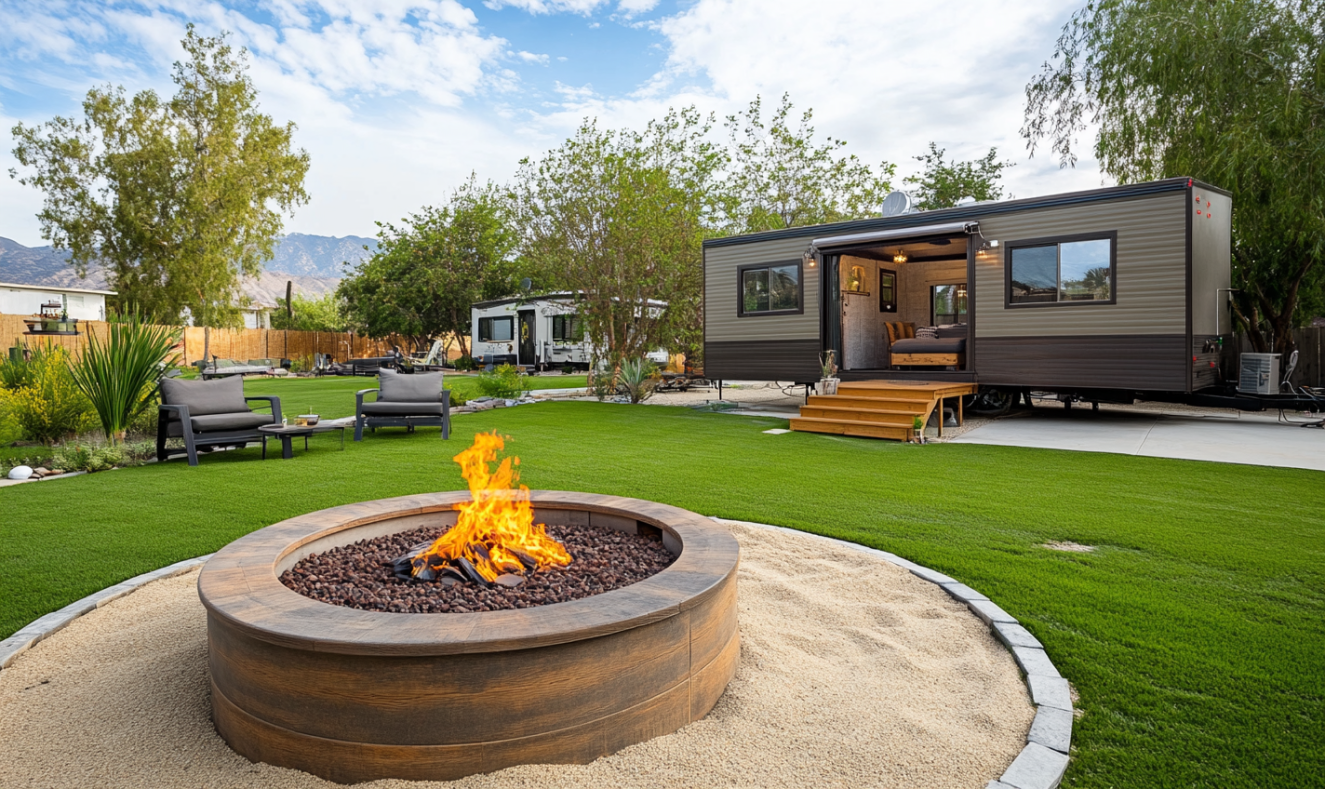
There’s something special about a fire pit — it turns your yard into an all-season hangout. Portable fire pits are perfect for mobile home yards and don’t require major installation. Surround yours with gravel or pavers, and add some Adirondack chairs or a simple bench for a fireside nook.
Bonus Tip:
Keep a stash of marshmallows, skewers, and a blanket in a weatherproof box nearby. Instant s’mores = instant mood booster.
9. Rustic Garden Arches
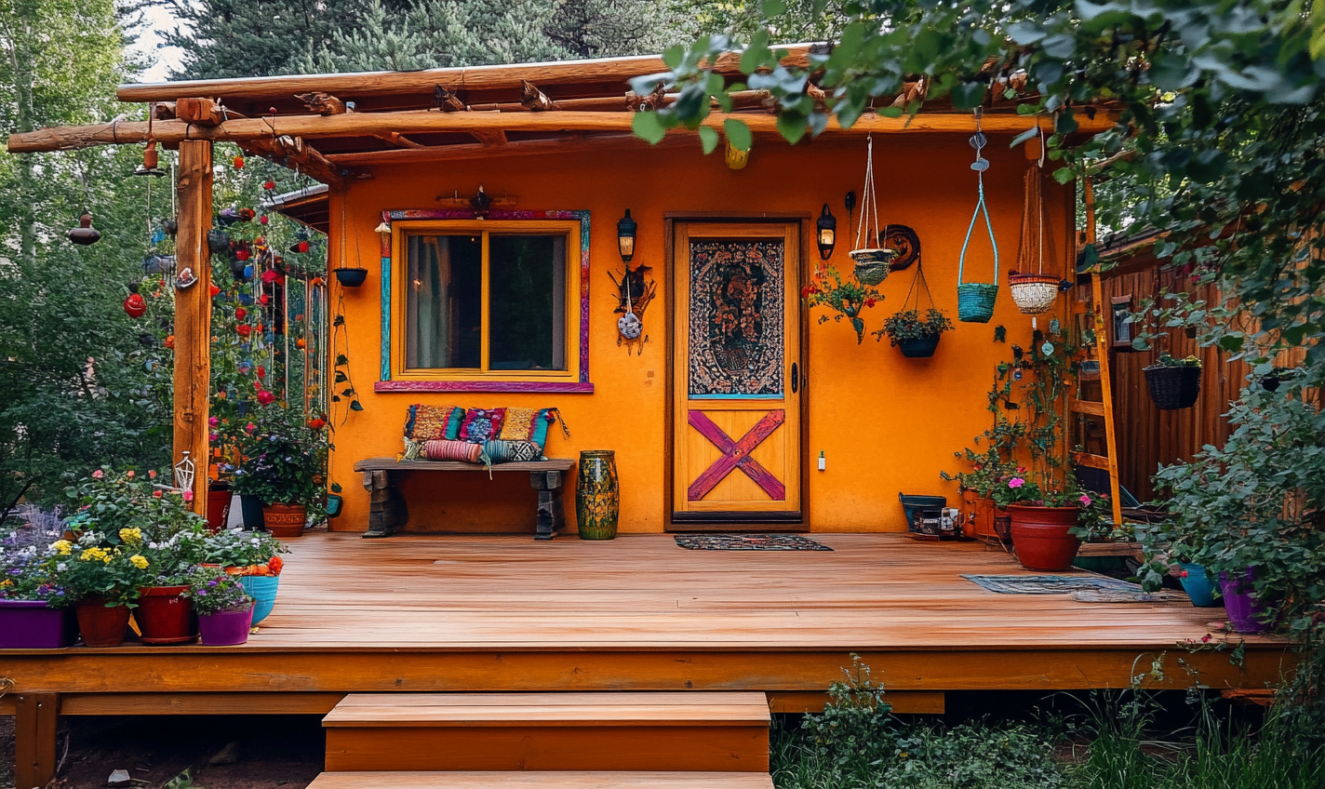
Garden arches add charm and structure, creating a sense of “destination” even in a small yard. Place one at your entrance, in front of your porch steps, or over a garden path.
Let vining plants like clematis, morning glory, or ivy take over for that storybook look.
Bonus Tip:
Wrap fairy lights or solar lanterns around the arch for magical night-time vibes.
10. Mulch and Gravel
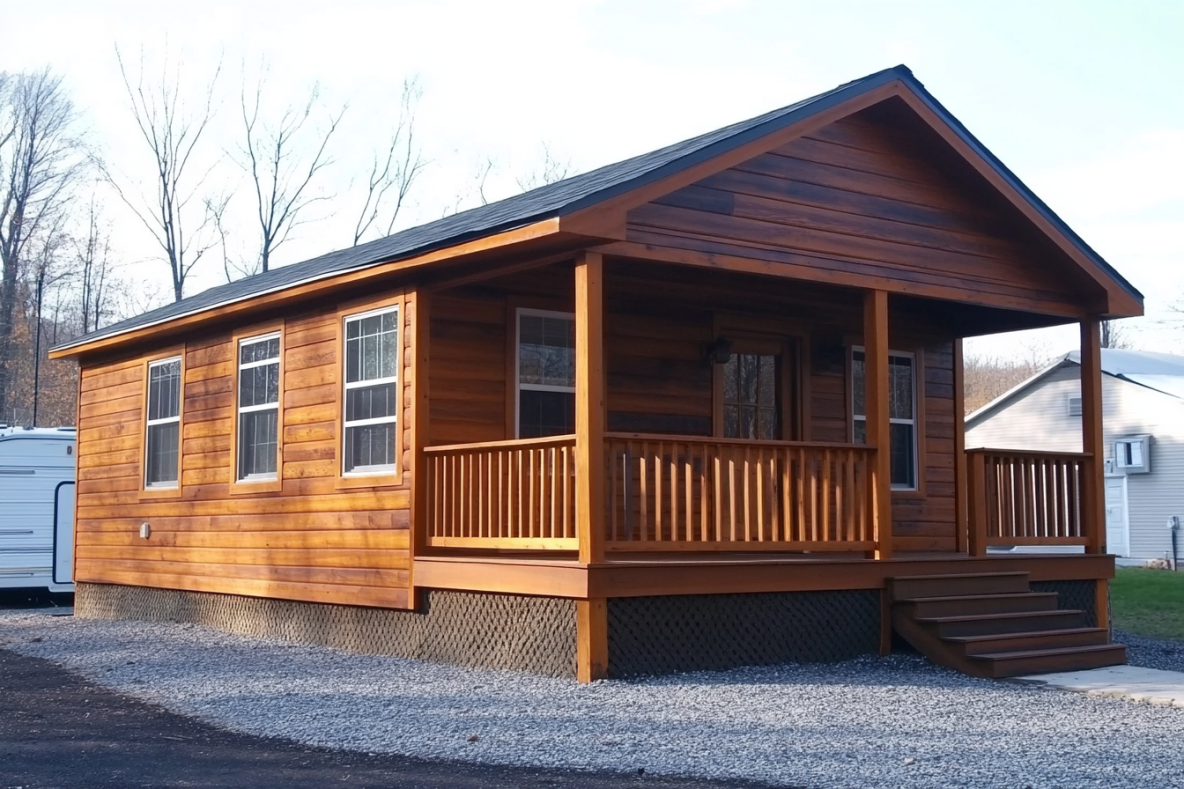
Want a fast upgrade that looks like you hired a pro? Mix mulch and gravel throughout your landscape. Gravel makes great low-maintenance paths, and mulch beds around plants keep everything tidy and unified.
Use gravel in seating areas or around raised beds, and stick to earthy tones for a natural, cohesive aesthetic.
Bonus Tip:
Lay landscape fabric under both mulch and gravel to prevent weeds and keep things looking fresh longer.
11. Tree Stump Planters
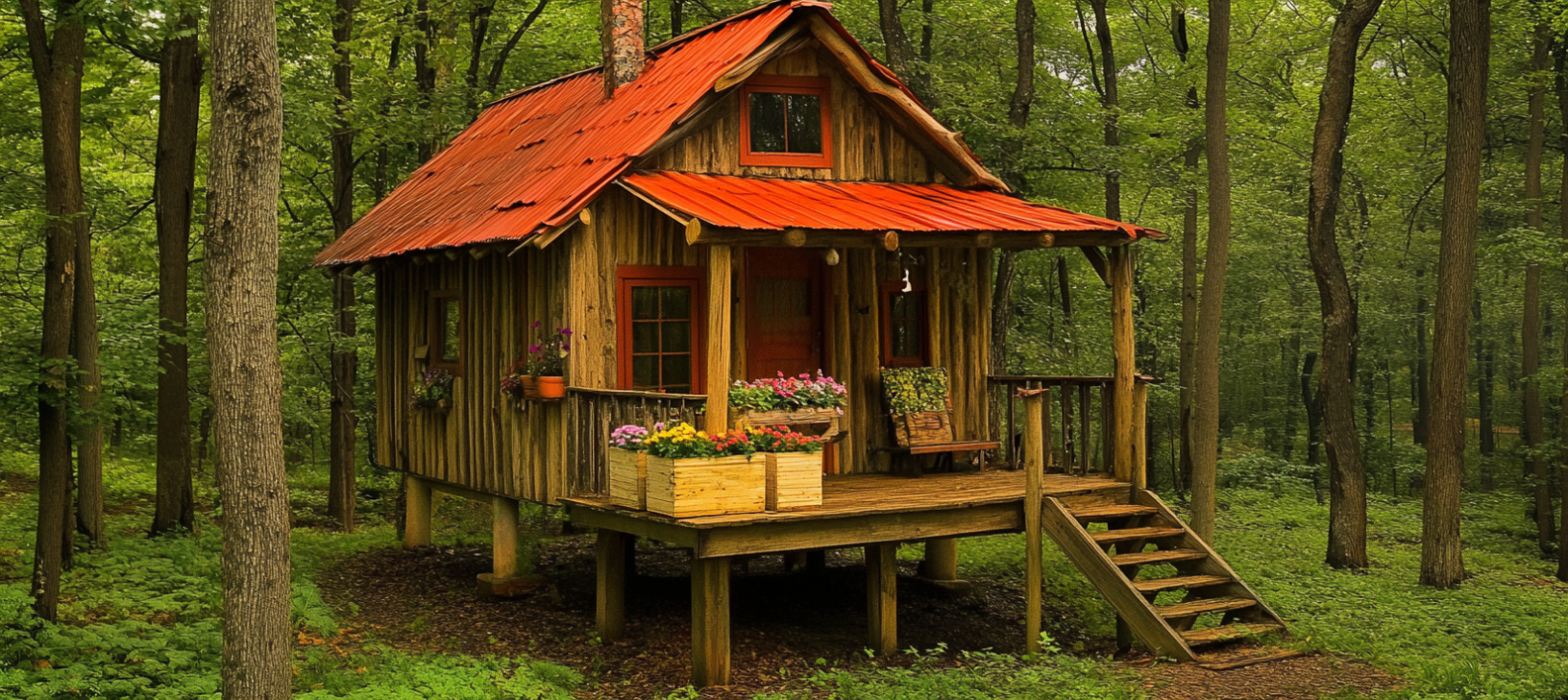
Got an old stump? Don’t grind it down — get creative! Hollow it out and turn it into a unique planter. Fill it with flowers, herbs, or even succulents for a rustic look that’s functional and artistic.
Bonus Tip:
If your stump isn’t hollow, use a large decorative pot on top and surround the base with creeping ground cover plants like thyme or sedum.
12. Birdhouses and Feeders

Invite some fluttery charm to your yard with birdhouses and feeders. They’re inexpensive, decorative, and support local wildlife. Try placing them near windows so you can enjoy the show from indoors.
You can DIY them from scrap wood or buy fun, funky designs to match your theme.
Bonus Tip:
Hang a small mirror behind a feeder to watch birds check themselves out — it’s weirdly adorable and surprisingly effective.
13. Going Vertical with Your Garden

If space is limited, go up. Vertical gardening saves space and adds visual interest. Use trellises, wall planters, ladder shelves, or even hanging baskets. It’s ideal for herbs, flowers, and even small veggies like cherry tomatoes.
Bonus Tip:
Use a pallet (yep, a shipping pallet) as a wall planter. Paint it, stuff it with soil and plants, and you’ve got a Pinterest-worthy piece.
14. Incorporating Hardscaping
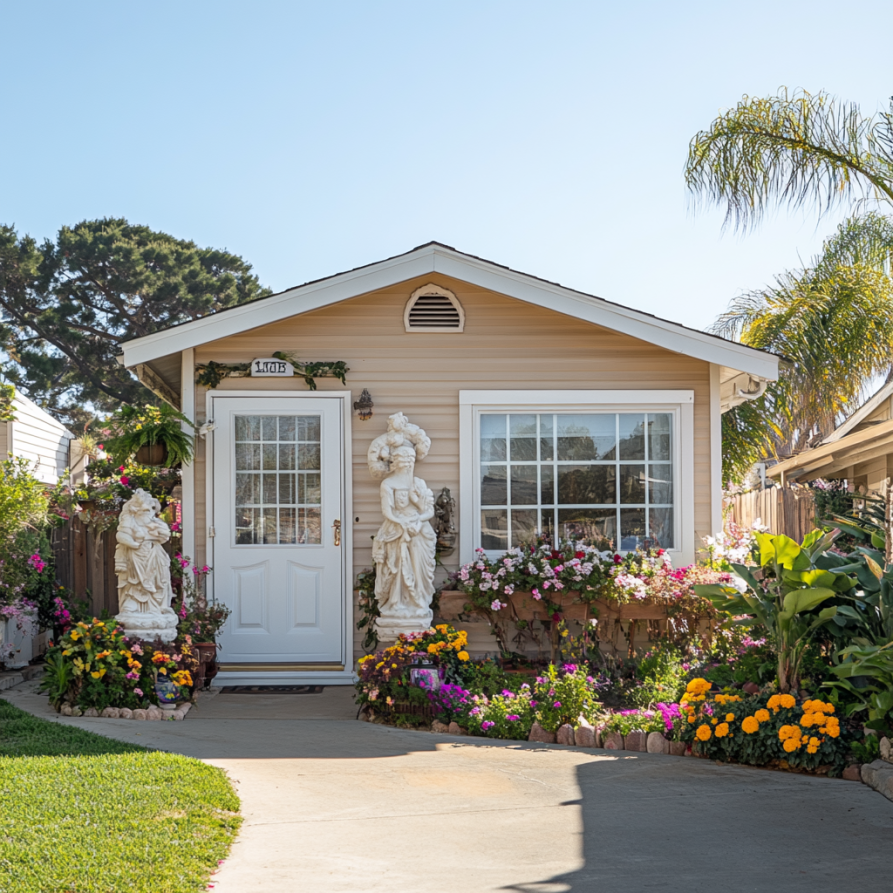
Hardscaping is the secret sauce of pro-level landscaping. Think patios, stone paths, raised beds, and garden borders. It gives structure, durability, and contrast to all that lush greenery.
Start small with a stepping-stone path or a gravel seating nook. It breaks up the green and helps organize your space.
Bonus Tip:
Use mismatched or salvaged stones for a boho, lived-in look that adds charm without looking too “perfect.”
Final Thoughts
Mobile home landscaping isn’t about size — it’s about intention. With a little planning, a few strategic upgrades, and a sprinkle of creativity, you can craft a space that’s beautiful, functional, and totally you. So, grab your gloves, fire up the imagination, and get ready to turn your humble patch of land into a full-blown oasis.
Ready to dig in? Let’s make your mobile home’s outdoor space the best on the block.

Meet Mike O’Connor, (a DIY enthusiast), living in Cincinnati, a city ranked as the noisiest in the USA.
As a work from home dad, I have a first hand experience of how noise can truly affect your well being.
Soundproofing isn’t something that should be taken as a hobby, it should be a skill that every homeowner should be equipped with.
Most of the work documented on this blog comes from purely first hand experience, and the products recommended work as indicated.